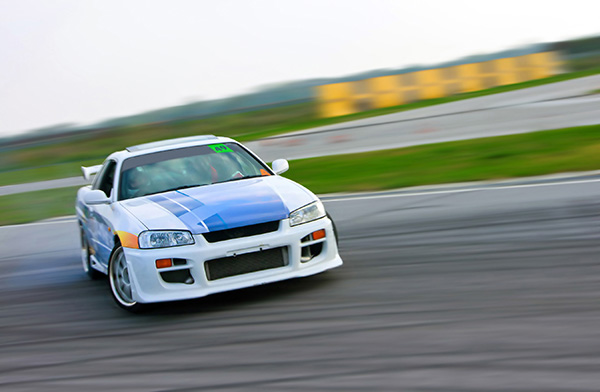
The idea sounds simple enough. Take a car, add better parts, prepare it for track use, and suddenly it becomes a race car. In real life, the answer is more complicated. Some cars can be built into capable track machines, while others make the process harder, more expensive, or less rewarding than expected.
Race car preparation starts with the vehicle’s condition, design, drivetrain, weight, cooling ability, suspension layout, safety needs, and the type of driving you want to do. A weekend track car, time attack build, endurance car, autocross car, and full race car all need different planning. The right preparation can transform a car, but the smartest build starts with honest expectations.
Race Car Preparation Starts With A Clear Goal
Before changing parts, you need to know what the car is being built to do. A car used for occasional track days does not need the same setup as a wheel-to-wheel race car. A beginner driver also needs a different build than someone chasing lap times in a competitive class.
The goal affects almost every decision. Brakes, tires, suspension, cooling, safety equipment, alignment, and engine work should match how the car will be used. Without a clear direction, it is easy to spend money on parts that sound exciting but do not actually improve the car for the kind of driving planned.
Some Cars Make Better Track Car Platforms
Any car can be modified, but not every car is a smart racecar platform. Weight, balance, drivetrain strength, parts availability, cooling capacity, suspension design, and aftermarket support all matter. A car with strong support and proven track history is usually easier to build and maintain.
German performance cars can make excellent track cars when properly prepared. BMW, Porsche, Audi, Mercedes-AMG, and Volkswagen performance models all have strengths, but each also has weak points that need attention. The right build does not copy the same setup onto every car. It works with the platform’s design instead of fighting it.
Safety Comes Before More Power
Many drivers think race car preparation starts with horsepower. Power is exciting, but safety should come first. A faster car with weak brakes, old tires, poor cooling, or no proper safety planning is not ready for serious track use.
Safety preparation can include:
- Track-ready brake components
- High-temperature brake fluid
- Proper tires
- Seats and harnesses, when appropriate
- Roll protection for certain builds
- Fire safety equipment
- Secure battery mounting
- Helmet and driver gear requirements
The exact needs depend on the event rules and build level. A basic track-day car may not need a full cage, whereas a competitive race car may require one. The point is to build the car around both performance and driver protection.
Brakes And Tires Change The Car First
Brakes and tires usually make the biggest early difference. Track driving creates far more heat than street driving. Stock brake pads, fluid, and tires may feel fine on the road but fade quickly on track. Once the fade starts, the car becomes harder to control and less predictable.
Good race car preparation often begins with performance brake pads, fresh rotors when needed, high-temperature brake fluid, stainless lines where appropriate, and tires matched to the event. Tire choice affects grip, steering feel, braking, and heat management. More power will not help much if the car cannot stop or hold the road.
Suspension Setup Must Match The Driver And Track
Suspension upgrades are not only about lowering or stiffening the car. A proper track setup considers spring rates, dampers, bushings, sway bars, ride height, corner balance, alignment, tire choice, and driver feedback. Too stiff can make the car harder to drive. Too soft can make it unstable under braking and cornering.
Alignment is especially important. Street alignment settings are usually designed for tire life and comfort. Track alignment needs better tire contact during hard cornering. Camber, toe, and caster settings can change how the car turns in, rotates, and wears tires. Our experience with motorsports builds has shown that setup details can make a car faster without adding engine power.
Cooling And Fluids Matter On Track
Track use creates heat everywhere. Engine oil, coolant, transmission fluid, differential fluid, brake fluid, and power steering fluid can all be pushed harder than they are on the street. A car that runs fine around town may overheat after several hard laps.
Cooling upgrades may include better radiators, oil coolers, ducting, upgraded fans, or improved airflow, depending on the vehicle. Regular maintenance becomes more important because track use shortens service intervals. Fluids should be chosen based on the heat and load the car will actually see, not just what works for daily driving.
Power Upgrades Need Supporting Repairs
Engine tuning, turbo upgrades, exhaust changes, and intake work can make a car faster, but power adds stress. More boost, more heat, and harder acceleration can expose weak clutches, tired mounts, worn cooling parts, old hoses, fuel delivery issues, or drivetrain wear.
That is why a proper inspection should happen before major power upgrades. If the base car has oil leaks, weak compression, misfires, worn suspension, or old cooling parts, adding power can make those issues show up faster. A reliable race car is built from a healthy car first.
Get Race Car Preparation In Olathe, KS, With Chicane Motorsport
If you are planning a German car track build, race car preparation, motorsports repair, or performance service, Chicane Motorsport in Olathe, KS, can help you choose the right path for your goals.
To build a car that is safer, sharper, and ready for the way you plan to drive, contact us to schedule an appointment.