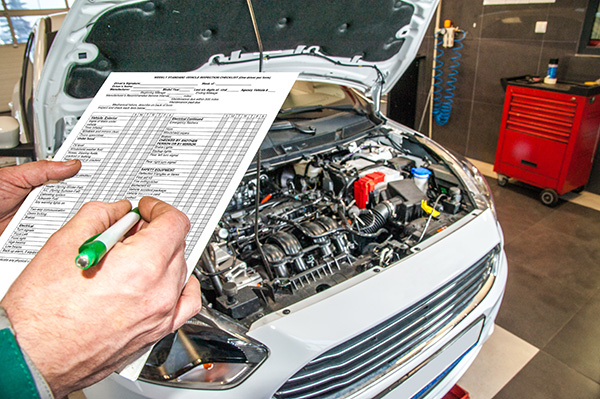
A lot of drivers think of car maintenance as an expense they can delay until something actually goes wrong. We understand why. If your vehicle seems to be running fine, it is easy to push off an oil change, ignore a small leak, or wait a little longer on brake service. But from what we see in our shop every day, that mindset is often what turns a manageable maintenance bill into a major repair bill.
Preventative maintenance is not about spending money for no reason. It is about protecting the systems that keep your vehicle reliable and catching wear before it turns into damage. When you stay ahead of routine service, you are usually paying for smaller, predictable items. When you wait for failure, you are often paying for parts, labor, towing, lost time, and a much larger headache.
That is where the real savings come in.
Why Small Maintenance Costs Usually Beat Big Repair Costs
Cars are built with systems that depend on each other. When one part starts wearing out or one fluid starts breaking down, the effect rarely stays isolated for long. A small issue tends to put stress on something else. That extra stress keeps building until one day the vehicle is no longer dealing with a maintenance issue. It is dealing with a repair.
That is the difference we try to explain to customers. Preventative maintenance is usually about preserving what is still working. Repairs are often about fixing what has already been damaged.
Think of it this way: replacing worn brake pads on time is maintenance. Replacing brake pads, damaged rotors, and possibly a caliper because the pads were ignored too long is a repair. Changing engine oil regularly is maintenance. Replacing internal engine components because dirty oil caused wear is a repair. The first option is almost always the less expensive one.
Oil Changes Are Cheap Compared To Engine Repairs
This is probably one of the clearest examples of cost savings. Routine oil changes are one of the least expensive services most vehicles need, but skipping them can lead to some of the most expensive damage a vehicle can suffer.
Fresh oil helps lubricate engine parts, reduce heat, and carry away contaminants. Old or low oil cannot do that properly. Over time, neglect can lead to sludge buildup, increased friction, overheating, and wear on critical engine components.
Here is the basic financial reality:
- A routine oil change costs a fraction of what you would pay for major engine repair
- Neglected oil can contribute to timing issues, overheating, internal wear, and even engine failure
When drivers stretch oil changes too far because they are trying to save money, they are often taking one of the biggest financial risks with the entire vehicle.
Brake Service Costs Less Than Brake System Damage
Brakes are another area where preventative maintenance pays off quickly. Brake pads wear down naturally. That is normal. Replacing them before they are fully worn is straightforward and usually far less expensive than waiting until metal starts grinding against metal.
Once that happens, the cost can rise fast. Rotors may need replacement. Calipers may be stressed. Braking performance may drop, and safety becomes part of the equation too.
We often remind people that brake pads are designed to be replaced. Rotors and calipers are much more expensive to neglect into failure.
When you take care of brake service early, you are not just saving money. You are also protecting stopping power and reducing the chance of more extensive work.
Cooling System Maintenance Helps Prevent Overheating
A lot of expensive engine damage starts with overheating. That is why cooling system maintenance matters so much. Coolant, hoses, thermostats, water pumps, and radiators all play a role in keeping temperatures under control. When one part weakens and is ignored, the engine can overheat fast.
And when an engine overheats, the repair bill can climb in a hurry. What could have started as a coolant leak, worn hose, or overdue coolant service can eventually turn into a damaged gasket, warped components, or severe engine trouble.
That is one of the reasons we encourage customers not to ignore temperature issues or coolant leaks. Catching a cooling system problem early is almost always cheaper than dealing with the aftermath of overheating.
Tire Maintenance Saves Money In More Ways Than One
Tires are not cheap, so getting the most life out of them matters. Preventative maintenance, like proper inflation, regular rotations, and alignment checks, helps tires wear more evenly and last longer.
When tire maintenance gets ignored, several things can happen:
- Tires wear out faster and need replacement sooner
- Poor alignment or suspension wear can damage otherwise good tires
- Low tire pressure can hurt fuel economy and create uneven wear
- Handling and braking performance can suffer
So the savings are not just about avoiding premature tire replacement. You may also spend less on fuel and reduce the chances of related steering or suspension issues going unnoticed.
Fluid Services Can Prevent Major Component Failure
Routine fluid maintenance is easy to overlook because you usually do not feel the immediate effect the same way you do with something like brakes or tires. But fluids are what protect many of the most expensive systems in your car.
Transmission fluid, coolant, brake fluid, power steering fluid, and differential fluid all have jobs to do. Over time, those fluids break down or become contaminated. When that happens, the systems they protect begin working harder.
This is where preventative maintenance can save serious money. A fluid service may seem like something you can postpone, but compared to replacing a transmission, repairing a cooling system failure, or dealing with internal corrosion in the brake system, it is often a smart investment.
Drivers sometimes look at the cost of maintenance in isolation. We always encourage them to compare it to the cost of replacing the component that the fluid was supposed to protect.
Batteries, Belts, And Hoses Are Small Compared To Breakdowns
Some of the most frustrating repair bills are not even about the part itself. They are about the inconvenience that comes with failure. A weak battery, worn belt, or aging hose may not seem urgent until it leaves you stranded.
Then suddenly you are dealing with towing, missed work, rescheduling your day, and possibly additional damage if another part was affected.
A few common examples:
- Replacing a weak battery before it fails is easier than dealing with a no-start in a parking lot
- Replacing a worn belt early is cheaper than waiting for it to break and affect other systems
- Replacing a deteriorating hose is far less stressful than dealing with a sudden coolant loss and overheating event
These are the kinds of maintenance items that often feel easy to put off because the car still works. But once they fail, they create costs that go beyond the repair itself.
Preventative Maintenance Helps You Avoid Chain-Reaction Repairs
One of the biggest ways maintenance saves money is by preventing one small issue from damaging something else. Cars do not usually fail in neat, isolated ways. Problems spread.
A neglected leak can damage nearby components. Bad alignment can destroy new tires. Dirty oil can wear internal engine parts. Old brake fluid can affect sensitive brake system components. An overheating event can lead to gasket failure and other engine damage.
That chain reaction is where repair costs really start snowballing. What might have been one manageable service becomes multiple parts, more labor, and more downtime.
Preventative maintenance helps break that pattern early.
It Also Helps You Budget Better
There is another financial benefit people do not always think about: predictability. Maintenance is usually easier to plan for than emergency repairs. Oil changes, tire rotations, inspections, and fluid services are not usually pleasant to pay for, but they are far less disruptive than surprise repairs that hit without warning.
When you stay on top of regular service, you are more likely to deal with smaller expenses over time instead of sudden, large bills. That makes it easier to budget and easier to avoid those moments where a major repair catches you completely off guard.
For a lot of drivers, that peace of mind matters just as much as the raw dollars.
The Real Value Is Long-Term Vehicle Life
Cars that get consistent maintenance generally last longer and perform better. That means you are not just saving on one repair here and there. You are also increasing the chances that your vehicle stays dependable for more years and more miles.
That long-term value matters, especially if you want to keep your car as long as possible. A well-maintained vehicle is often less expensive to own over time than one that gets ignored until something fails. The money you spend on prevention helps reduce the money you may otherwise spend on premature major repairs or even early replacement of the vehicle itself.
We have this conversation with customers all the time, and it usually comes down to a simple choice: spend a little now or risk spending a lot later. Preventative maintenance is not glamorous, and it is not always urgent in the moment, but it is one of the smartest ways to control the real cost of owning a vehicle.
The goal is not to over-service a car. The goal is to take care of it consistently enough that small wear does not become expensive damage. When that happens, the savings add up over time in ways many drivers do not fully appreciate until they have experienced both sides.
Get Maintenance Done at Chicane Motorsport
If you want to avoid costly repairs and keep your vehicle in better shape for the long haul, let our auto repair shop help you stay ahead of maintenance. We can inspect your vehicle, recommend the services it truly needs, and help you build a plan that protects your car and your budget.
Call us today or stop by Chicane Motorsport in Olathe, KS to schedule preventative maintenance for your vehicle.