Most performance German cars can feel flawless for months, then one hot day in traffic makes the temperature look a little higher than you expected. That is the moment most drivers realize the cooling system has been dropping hints.
If you catch those hints early, you can usually avoid the kind of overheating that ruins a weekend and sometimes an engine.
Early Clues That Suggest Cooling Trouble
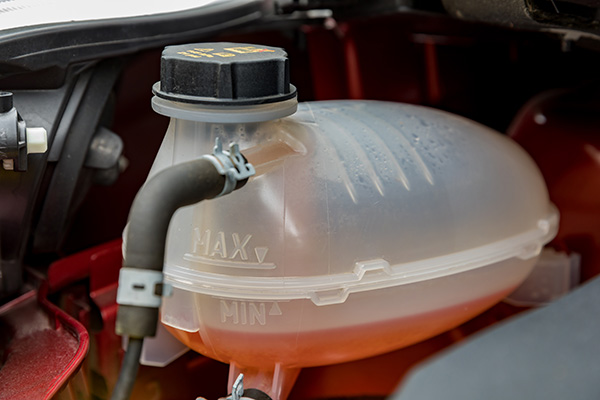
The first signs are usually small behavior changes, not dramatic warnings. The heater may run cooler at idle, then warm up once you are moving, or the cooling fan may run longer after you park than it used to. A faint sweet smell after a drive, or chalky residue near hose joints and the expansion tank, can point to a slow seep that dries before it drips.
Symptom Timeline Before An Overheat Event
Cooling problems often progress in steps. First comes inconsistency, brief temperature rises in stop-and-go, a reservoir level that drops faster than normal, or a warning that clears after a restart. Next, the car may protect itself by running the fan hard or dialing back performance when heat builds, and the final stage is a fast climb under load that forces you to pull over.
Why Performance German Cooling Systems Act Sensitive
High-performance models often use multiple cooling circuits and electronically controlled parts that react to temperature and demand. Electric water pumps and mapped thermostats can fail in a way that looks random, especially early on. A pump may still spin yet move less coolant when you accelerate hard or climb a grade, so cruising feels fine until heat load spikes. We see this pattern when the car behaves normally at a steady speed, then starts running hot the moment conditions get tougher.
Common Leak And Flow Problem Spots
Leaks often start where heat and pressure are highest, and where plastics and seals age the quickest. Radiator end tanks, hose clamps, thermostat housings, and the water pump area are common sources, especially when you see residue but no puddle. Restrictions can be just as sneaky, a partially clogged radiator or heater core may not show up until the outside temperature climbs or the car is driven hard. If coolant keeps disappearing with no visible leak, it may be burning off on hot components, or in some cases, it may be leaking internally and leaving very little evidence.
Driving Cues That Help You Catch It Early
Watch how the temperature behaves at long idle and during a steady uphill load. If it rises at idle and drops once you are moving, airflow, fan control, or radiator efficiency may be the issue. If it climbs uphill and does not recover quickly when you ease off, low coolant level, weak pump flow, or restricted heat exchange becomes more likely. Gurgling after shutdown, a heater that swings from warm to cool, or a coolant warning that comes and goes are all signs to schedule a check sooner rather than later.
What A Proper Cooling System Inspection Covers
A quick glance at the reservoir is not enough on performance platforms, you want tests that make hidden problems show themselves. A thorough inspection typically includes:
- Pressure testing to find leaks that only appear when the system is hot and loaded
- Cap and expansion tank checks, since weak pressure control can trigger boiling and venting
- Fan operation verification, including ramp-up behavior at idle and after shutdown
- Thermostat and water pump evaluation based on temperature response under real conditions
- Coolant condition testing for the correct mix and contamination that reduces protection
If the results suggest internal leakage, additional testing may be recommended before any parts are replaced, so the repair plan stays targeted.
Get Cooling System Service in Olathe, KS with Chicane Motorsport
We can pressure-test your cooling system, pinpoint leaks or weak flow, and confirm the fans, thermostat, and pump are doing what they should when the car is hot. We’ll also check coolant condition and pressure control so you are not fighting the same symptoms again after the next heat wave or long drive.
Call Chicane Motorsport in Olathe, KS, to schedule an inspection before a small cooling issue turns into an overheating event.