Posted on 8/28/2026
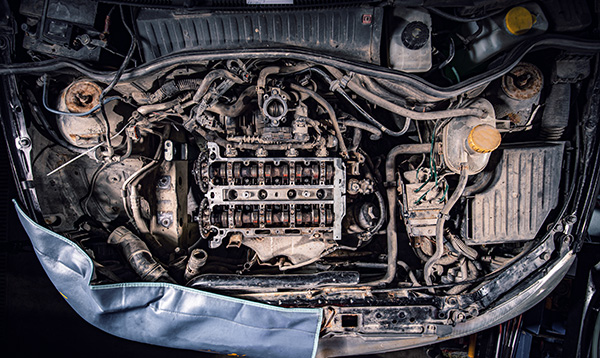
Valve cover gaskets do not have a universal replacement interval. Some last well beyond 100,000 miles, while others begin leaking much earlier because of heat, age, engine design, or crankcase pressure problems. In most cases, they are replaced when they start leaking rather than at a set mileage. A small amount of seepage may stay manageable for quite a while, but an active leak deserves more attention. Oil can reach spark plug wells, ignition coils, belts, wiring, engine mounts, or hot exhaust components. The best time to replace the gasket is before a minor leak starts affecting other parts. What the Valve Cover Gasket Does The valve cover sits on top of the cylinder head and seals the area around the camshafts, rocker arms, or other valvetrain components. Engine oil is constantly moving through this area while the engine runs, so the gasket has to keep that oil inside despite repeated heating and cooling. Most modern valve cover gaskets are made from molded rub ... read more
Posted on 7/31/2026
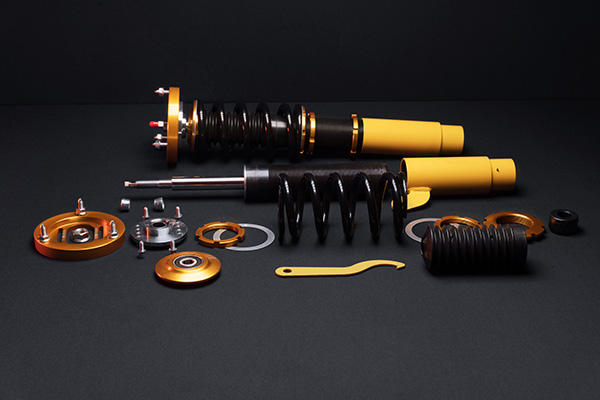
A Porsche can still feel quick and capable even after suspension parts have started to wear. The changes tend to arrive gradually, so the driver adapts without realizing how much steering response, ride control, or tire contact has been lost. What once felt precise may begin to feel busier, harsher, or less settled. Suspension wear does not always announce itself with a loud clunk. Sometimes the first clue is uneven tire wear, extra movement over dips, or a steering wheel that no longer feels as direct. Paying attention to those smaller changes can help protect the tires, alignment, and handling balance the car was built to provide. The Car Feels Less Settled Over Bumps A healthy Porsche suspension should control wheel and body movement without continuing to bounce after every dip or expansion joint. When shocks or struts wear, the body may rise and fall more than it used to. The car can feel light over crests, unsettled on uneven pavement, or nervous when the road ... read more
Posted on 6/26/2026
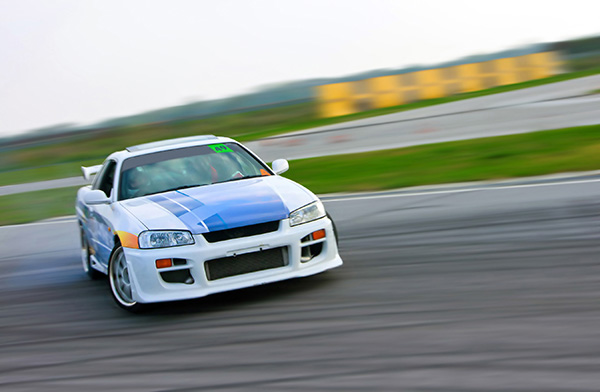
The idea sounds simple enough. Take a car, add better parts, prepare it for track use, and suddenly it becomes a race car. In real life, the answer is more complicated. Some cars can be built into capable track machines, while others make the process harder, more expensive, or less rewarding than expected. Race car preparation starts with the vehicle’s condition, design, drivetrain, weight, cooling ability, suspension layout, safety needs, and the type of driving you want to do. A weekend track car, time attack build, endurance car, autocross car, and full race car all need different planning. The right preparation can transform a car, but the smartest build starts with honest expectations. Race Car Preparation Starts With A Clear Goal Before changing parts, you need to know what the car is being built to do. A car used for occasional track days does not need the same setup as a wheel-to-wheel race car. A beginner driver also needs a different build than someo ... read more
Posted on 5/29/2026
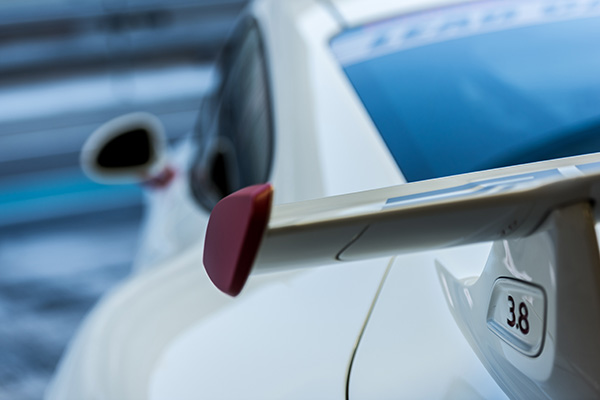
A Porsche usually tells you when something is off. Not always loudly, and not always with a warning light. Sometimes it is a faint oil smell after a drive, a sharper clunk over a driveway entrance, or a little hesitation that was not there last month. That is the part Porsche owners learn quickly. Small changes are worth listening to. These cars are built to feel tight, quick, and precise. When they stop feeling that way, the cause is usually hiding in one of a few familiar places. 1. Oil Leaks Around Gaskets And Seals Oil leaks are high on the list for many Porsche models. Valve cover gaskets, camshaft seals, oil cooler seals, rear main seals, and oil separator-related areas can all seep as heat and age work on the rubber. Sometimes you see a spot under the car. Other times, the first clue is a burnt-oil smell after parking. Oil travels, so the wettest spot is not always the source. It can run down the engine, collect on shields, and make a small leak look bigger ... read more
Posted on 4/30/2026
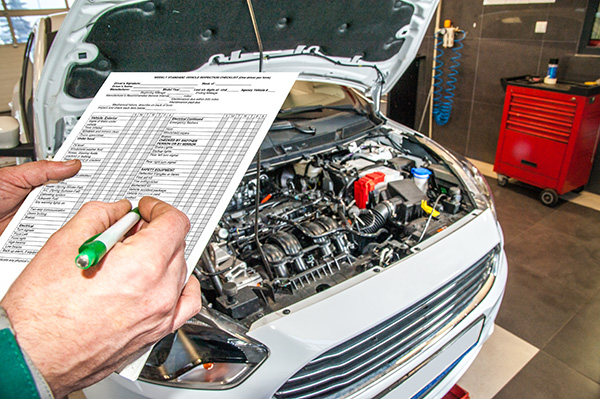
A lot of drivers think of car maintenance as an expense they can delay until something actually goes wrong. We understand why. If your vehicle seems to be running fine, it is easy to push off an oil change, ignore a small leak, or wait a little longer on brake service. But from what we see in our shop every day, that mindset is often what turns a manageable maintenance bill into a major repair bill. Preventative maintenance is not about spending money for no reason. It is about protecting the systems that keep your vehicle reliable and catching wear before it turns into damage. When you stay ahead of routine service, you are usually paying for smaller, predictable items. When you wait for failure, you are often paying for parts, labor, towing, lost time, and a much larger headache. That is where the real savings come in. Why Small Maintenance Costs Usually Beat Big Repair Costs Cars are built with systems that depend on each other. When one part starts wearing out ... read more