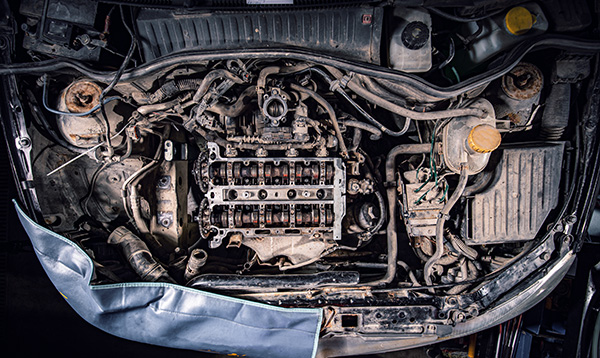
Valve cover gaskets do not have a universal replacement interval. Some last well beyond 100,000 miles, while others begin leaking much earlier because of heat, age, engine design, or crankcase pressure problems. In most cases, they are replaced when they start leaking rather than at a set mileage.
A small amount of seepage may stay manageable for quite a while, but an active leak deserves more attention. Oil can reach spark plug wells, ignition coils, belts, wiring, engine mounts, or hot exhaust components. The best time to replace the gasket is before a minor leak starts affecting other parts.
What the Valve Cover Gasket Does
The valve cover sits on top of the cylinder head and seals the area around the camshafts, rocker arms, or other valvetrain components. Engine oil is constantly moving through this area while the engine runs, so the gasket has to keep that oil inside despite repeated heating and cooling.
Most modern valve cover gaskets are made from molded rubber or another flexible sealing material. Over time, heat causes that material to harden and lose elasticity. Once the gasket can no longer conform tightly to the sealing surfaces, oil begins to seep out.
Why These Gaskets Start Leaking
Heat is one of the biggest reasons valve cover gaskets fail. The top of the engine can become extremely hot, especially on turbocharged or tightly packaged engines. Years of thermal cycling gradually shrink and harden the gasket.
Age is another factor even on lower-mileage vehicles. Rubber can deteriorate simply from time. A gasket may also leak because the valve cover itself has warped, cracked, or developed a damaged sealing surface.
Common contributors include:
- A hardened or shrunken gasket
- A cracked plastic valve cover
- Warped sealing surfaces
- Loose or damaged fasteners
- Excessive crankcase pressure
- Incorrect previous installation
- Oil contamination around the sealing area
If the same gasket keeps leaking after replacement, the problem may not be the gasket alone.
Oil in the Spark Plug Wells Is a Strong Clue
Many engines use tube seals around the spark plug openings as part of the valve cover gasket set. When those seals fail, oil can collect around the spark plugs and ignition coils.
That oil can damage coil boots, interfere with electrical insulation, and eventually contribute to misfires. A driver may first notice rough running, a check engine light, or oil on the ignition coil when it is removed.
Once oil has filled the plug wells, simply wiping it out does not solve the source. The gasket or tube seals need to be repaired, and the coils and plugs should be checked for contamination or damage.
A Burning Oil Smell Should Not Be Ignored
One of the most common symptoms is a burning smell after driving. Oil leaking from the valve cover can run down the cylinder head and reach the exhaust manifold or another hot surface.
At first, there may be no visible smoke. As the leak gets worse, light smoke can appear from the engine compartment after a drive or while sitting at a stop. Oil residue can also leave a baked-on coating around the side of the engine.
A burning smell does not automatically prove the valve cover is leaking. Oil filter housings, camshaft seals, timing covers, and other components can leak in the same area. An inspection should trace the oil to its highest fresh point before parts are replaced.
Can You Keep Driving With a Leaking Valve Cover Gasket?
A light seep with a stable oil level may allow some time to plan the repair. An active leak is different, especially if oil is reaching the exhaust, ignition system, belts, or electrical connectors.
The biggest risk is often not the gasket itself but the damage caused by lost or misplaced oil. If the engine level drops too far, lubrication suffers. If oil contaminates a serpentine belt, the belt can swell, soften, or slip.
Stop and check the vehicle promptly if you notice:
- Visible smoke from under the hood
- Oil dripping onto hot exhaust parts
- A rapidly falling oil level
- A strong burning oil smell
- Misfires caused by oil-soaked ignition parts
- Oil reaching the drive belt or alternator
Keeping the oil level correct is important, but topping off is only a temporary measure when the leak is active.
Crankcase Pressure Can Make the Leak Worse
The positive crankcase ventilation system helps remove pressure and combustion gases from inside the engine. If a PCV valve, hose, separator, or passage becomes restricted, pressure can build in the crankcase.
That pressure can force oil past gaskets and seals, including the valve cover gasket. Replacing the gasket without checking the ventilation system may lead to another leak later.
This is especially worth checking when several seals are leaking at the same time or when the engine has unusual oil consumption. Proper regular maintenance can help keep the ventilation system and oil passages from becoming heavily contaminated.
What Should Be Replaced With the Gasket?
A valve cover gasket job may involve more than one rubber seal. Depending on the engine, the set can include spark plug tube seals, bolt grommets, half-moon seals, or other molded pieces.
The valve cover itself also needs to be checked carefully. Plastic covers can crack around mounting points, breather passages, or integrated PCV components. Reusing a damaged cover with a new gasket usually leads to another leak.
The sealing surfaces should be cleaned properly, and sealant should only be used where the manufacturer calls for it. Too much sealant can squeeze inside the engine and interfere with oil flow.
Get Valve Cover Gasket Repair in Olathe, KS, With Chicane Motorsport
Chicane Motorsport in Olathe, KS, can inspect valve cover leaks, spark plug wells, crankcase ventilation components, and surrounding engine parts.
Contact us to schedule service if you notice oil seepage, a burning smell, smoke, or oil around the ignition coils.