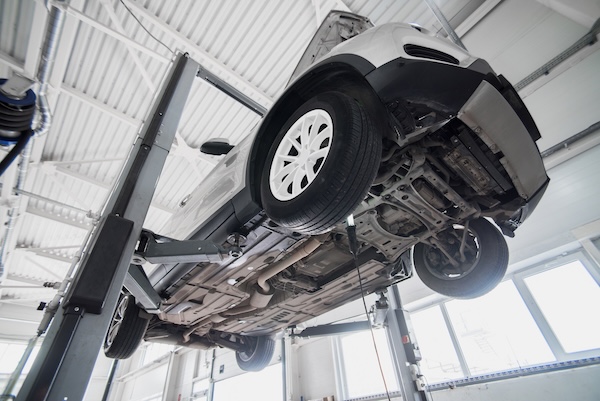
When people think about improving their car’s performance, they often focus on engine upgrades, new tires, or brake work. One area that isn’t discussed as much but plays a significant role in how a vehicle feels on the road is chassis tuning. If your car doesn’t feel as stable, comfortable, or responsive as it once did, chassis tuning may be the missing piece.
Chassis tuning is all about how your vehicle handles, rides, and responds to driver input. It fine-tunes the components that connect your car to the road and ensures they work together as intended.
What Is Chassis Tuning?
The chassis is essentially the foundation of your vehicle. It includes the frame and all the systems that affect ride quality and handling, such as the suspension, steering components, shocks, struts, and bushings. Chassis tuning involves adjusting, repairing, or upgrading these components to improve balance, stability, and control.
Unlike a simple wheel alignment, chassis tuning takes a more holistic approach. It looks at how the suspension geometry, ride height, weight distribution, and steering response interact. The goal is to make the vehicle feel predictable, planted, and comfortable—whether you’re cruising down the highway or navigating tight city streets.
Chassis tuning can be subtle or more involved, depending on the vehicle and the driver’s needs. For some, it’s about restoring factory handling. For others, it’s about enhancing performance beyond stock settings.
How Chassis Tuning Affects Everyday Driving
Even if you’re not a performance enthusiast, chassis tuning can make a noticeable difference in day-to-day driving. A well-tuned chassis improves how your vehicle absorbs bumps, maintains tire contact with the road, and responds when you steer or brake.
Drivers often notice benefits such as smoother rides over uneven pavement, reduced body roll during turns, and improved stability at higher speeds. Proper chassis tuning can also help tires wear more evenly and reduce stress on suspension components, which may prevent future repairs.
If your car feels floaty, harsh, or unpredictable, it’s often a sign that the chassis setup isn’t working as intended anymore.
Common Situations That Lead to Chassis Issues
Over time, normal wear and tear takes a toll on suspension and steering parts. Roads with potholes, speed bumps, and rough surfaces accelerate that wear. Even minor collisions or curb impacts can alter suspension geometry without visible exterior damage.
Lowering or lifting a vehicle without proper adjustments is another common cause. Changing ride height alters suspension angles, which can negatively affect handling if not tuned.
As vehicles age, rubber components like bushings can deteriorate, leading to excessive movement and sloppy handling. Chassis tuning addresses these issues by restoring proper alignment and balance.
Who Needs Chassis Tuning?
Chassis tuning isn’t just for race cars or modified vehicles. Many drivers can benefit from it, especially when their car no longer feels the way it used to.
Drivers who may need chassis tuning include:
- Those who notice uneven tire wear, pulling, or unstable handling
- Drivers of vehicles with suspension modifications, such as lowering springs or lift kits
- Owners of older vehicles with worn suspension components
- Performance-minded drivers who want sharper handling and better road feedback
Even commuters who spend long periods on the road can benefit from a properly tuned chassis, which improves comfort and reduces fatigue behind the wheel.
Chassis Tuning vs. Wheel Alignment
While wheel alignment is often part of chassis tuning, the two are not the same. An alignment focuses on setting wheel angles within manufacturer specifications. Chassis tuning goes further by evaluating how suspension components interact and whether adjustments beyond basic alignment are needed.
Think of alignment as a tune-up for your wheels, while chassis tuning is a full-system check of how your car moves and responds.
Why Professional Chassis Tuning Matters
Chassis tuning requires experience, precision, and an understanding of vehicle dynamics. Making incorrect adjustments can actually worsen handling or cause premature wear. Professional technicians use specialized equipment and knowledge to ensure changes improve performance without compromising safety or comfort.
A proper chassis tune is customized to the vehicle and the driver, taking into account how the car is used and what issues need to be addressed.
Is Chassis Tuning Worth It?
For many drivers, the answer is yes. Whether you want a smoother ride, better handling, or simply to restore your vehicle’s original feel, chassis tuning can make a noticeable difference. It’s an investment in how your car drives every single day.
Schedule a Chassis Evaluation at Chicane Motorsport in Olathe, KS
If your vehicle doesn’t feel as stable, comfortable, or responsive as it should, our experienced technicians are here to step in and help. Contact Chicane Motorsport today to schedule a chassis inspection and tuning service. We’ll make sure your vehicle feels confident, controlled, and enjoyable to drive again.